BLOG
Behind the Box
Unpack expert insights with a range of content from our packaging wizards, featuring in-depth guides, custom packaging tips and inspiring customer stories. Grow from beginner to pro with step-by-step articles on paper options, spot UV, Adobe Illustrator, image resolution, subscription boxes, digital proof guidelines, die-cutting, full color print techniques, ink coverage, corrugated cardboard, shipping strategy, box templates, and more from a trusted packaging industry leader.


How to Choose the Best Plastic Coating Machine?
Choosing the right Plastic Coating Machine can influence product quality, operating costs, and production stability. The best choice depends on your materials, coating width, output targets, and available workspace. A machine designed for thin packaging film may not handle thick paper, nonwoven fabric, or heat-sensitive substrates effectively. Small details matter.
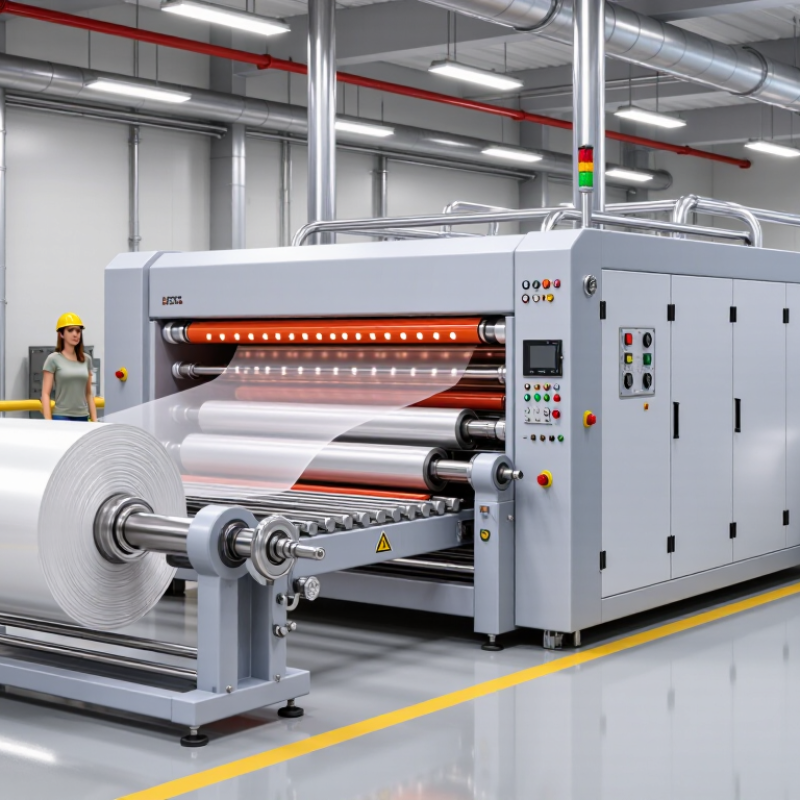
Start with the coating process itself. Identify the resin type, viscosity, drying temperature, and required coating thickness. Then examine machine speed, tension control, heating zones, and winding accuracy. For example, unstable web tension can create wrinkles near the roller, while uneven heating may leave glossy and dull areas across the same roll. These problems often appear after installation, not during a showroom demonstration.
A dependable supplier should explain these limitations clearly. Ask for verified test results using your actual material, not only standard samples. Experienced manufacturers can discuss maintenance access, spare parts, operator training, and energy consumption in practical terms. Safety guards, emergency stops, ventilation, and temperature controls also deserve careful review. They protect workers and support consistent production.
No machine is perfect.
A common mistake is choosing maximum speed before confirming coating uniformity. Higher output may increase waste, cleaning time, and rejected rolls. It is wiser to compare total operating performance over several production cycles. Consider your future needs, but avoid paying for features your team cannot use. The final decision should balance technical capability, reliability, service support, and realistic return on investment. Even experienced buyers should revisit their assumptions before signing an order.
Define the Plastic Coating Machine and Its Main Applications
How to Choose the Best Plastic Coating Machine?
A plastic coating machine applies a controlled layer onto film, sheets, molded parts, or other substrates. Common systems use gravure, reverse-roll, slot-die, or spray coating. The coating may improve barrier performance, surface protection, printability, heat resistance, or appearance. Drying can rely on hot air, infrared energy, or ultraviolet curing. It is not simple.
The main applications reflect packaging, construction, automotive components, electronics, medical products, and industrial films. PlasticsEurope’s Plastics—The Fast Facts 2023 reports that packaging represented 39.1% of European plastics demand in 2022. This makes coating accuracy important for films used against moisture, oxygen, grease, and abrasion. In practice, operators check viscosity, web tension, coating weight, drying temperature, and line speed. Small errors matter. Uneven edges can create waste or weaken a sealed package.
The OECD Global Plastics Outlook reports that global plastic waste reached 353 million tonnes in 2019, while only 9% was recycled. A suitable coating machine should therefore support material efficiency, stable production, and low reject rates. Ask whether the system handles the required substrate width and thickness. Check its coating tolerance, cleaning time, solvent controls, and energy use. A faster line is not always better. Some delicate films wrinkle under excessive tension. My experience suggests that test runs often reveal more than brochures. No machine fits every process. Selection should follow the coating chemistry, production volume, compliance requirements, and the operator’s ability to control them consistently.
| Evaluation Dimension | What It Means | Common Options or Data Range | Why It Matters When Choosing a Machine | Typical Applications |
|---|---|---|---|---|
| Definition | A plastic coating machine applies a controlled layer of polymer material to the surface of another material, such as paper, film, metal, wire, fabric, or molded components. | Coating may be applied by extrusion, spraying, dipping, roll coating, powder coating, or fluidized-bed coating. | The correct machine type depends on the substrate, coating material, required thickness, production speed, and final surface properties. | Protective surfaces, moisture barriers, electrical insulation, packaging films, and decorative finishes. |
| Coating Material | The polymer or plastic compound used to form the coating layer. | Polyethylene, polypropylene, PVC, polyurethane, polyamide, acrylic, epoxy, and other thermoplastic or thermosetting materials. | The material determines melting or curing requirements, chemical resistance, flexibility, adhesion, and equipment compatibility. | Packaging, cable insulation, corrosion protection, appliance components, automotive parts, and industrial equipment. |
| Coating Method | The process used to transfer and bond the plastic layer to the substrate. | Extrusion coating, extrusion laminating, spray coating, dip coating, roll coating, and powder coating. | Extrusion is suitable for continuous webs; spray and dip systems are often used for shaped parts; powder coating is widely used for durable protective finishes. | Flexible packaging, steel pipe protection, metal fittings, furniture components, and fabricated products. |
| Substrate Type | The base material receiving the plastic coating. | Paperboard, paper, plastic film, aluminum foil, steel, copper wire, textiles, wood-based panels, and molded parts. | The substrate affects pretreatment, heating method, line configuration, tension control, and adhesion requirements. | Food packaging, beverage packaging, electrical cables, construction products, and industrial components. |
| Production Format | The physical form in which the substrate enters and leaves the machine. | Continuous web, sheet, wire, pipe, profile, batch of parts, or three-dimensional component. | Web-processing equipment usually requires unwinding, tension control, coating, cooling, inspection, and rewinding systems. | Films and foils, coated paper rolls, wires, pipes, profiles, and individual molded products. |
| Coating Thickness | The thickness of the plastic layer after application and solidification. | Often specified in micrometres or millimetres; the required value varies significantly by product and application. | Thickness control influences material consumption, barrier performance, insulation, weight, flexibility, and product cost. | Thin barrier layers for packaging, medium protective layers for metal, and thicker layers for heavy-duty corrosion resistance. |
| Line Speed | The speed at which the substrate moves through the coating process. | Selected according to the coating method, material viscosity, curing or cooling capacity, substrate width, and quality target. | A higher speed can increase output but may require more powerful heating, cooling, drying, metering, and inspection systems. | High-volume packaging lines, cable production, pipe coating, and continuous industrial web processing. |
| Temperature Control | The system’s ability to heat, melt, cure, cool, and stabilize the coating material. | Multi-zone barrel heating, heated coating heads, infrared or hot-air systems, water-cooling rolls, and temperature sensors. | Stable temperature helps maintain consistent viscosity, coating thickness, adhesion, surface quality, and process safety. | Thermoplastic extrusion coating, heat-sensitive substrates, powder curing, and solvent-free coating processes. |
| Adhesion Requirements | The strength of the bond between the plastic coating and the substrate. | May require surface cleaning, corona treatment, plasma treatment, chemical primers, flame treatment, or tie layers. | Good adhesion prevents peeling, blistering, cracking, and delamination during forming, storage, or service. | Food and pharmaceutical packaging, laminated materials, coated metals, cables, and outdoor products. |
| Surface Performance | The properties required from the finished coated surface. | Moisture resistance, chemical resistance, abrasion resistance, low friction, electrical insulation, UV resistance, or decorative appearance. | The target performance determines the resin, coating thickness, pretreatment, curing conditions, and inspection method. | Water-resistant packaging, chemical containers, outdoor components, wire insulation, and wear-resistant parts. |
| Coating Width or Part Size | The maximum web width or component dimensions that the machine can process. | Configured according to the substrate width, product geometry, coating head, die, spray pattern, or dipping tank size. | Choosing the correct working width avoids edge waste, uneven coverage, production restrictions, and future capacity limitations. | Narrow strips, flexible packaging webs, wide paper rolls, pipes, profiles, and large fabricated parts. |
| Automation and Control | The level of automatic monitoring and adjustment available during production. | Manual adjustment, PLC control, touchscreen operation, closed-loop thickness control, recipe management, and production data recording. | Automation improves repeatability, reduces operator workload, supports traceability, and helps detect process deviations. | High-volume production, quality-sensitive packaging, regulated industries, and multi-product manufacturing. |
| Quality Inspection | Methods used to verify coating coverage and finished-product quality. | Visual inspection, thickness measurement, pinhole detection, adhesion testing, weight measurement, and surface-defect monitoring. | Inspection systems help identify uneven coating, voids, contamination, poor adhesion, and dimensional variation before shipment. | Barrier packaging, electrical insulation, corrosion protection, medical packaging, and precision industrial products. |
| Energy and Material Efficiency | The amount of energy and plastic material consumed per unit of finished product. | Influenced by heater efficiency, insulation, coating thickness control, trim recovery, startup waste, and process stability. | Efficient operation can reduce operating costs, material waste, emissions, and the environmental impact of production. | Continuous web coating, high-volume packaging, recycled-content products, and thin-gauge applications. |
| Safety and Environmental Needs | Measures required to control heat, fumes, dust, solvents, moving parts, and waste. | Machine guarding, ventilation, temperature protection, dust collection, solvent control, emergency stops, and waste management. | The machine should comply with applicable workplace, electrical, emissions, and product-safety requirements. | Powder coating, solvent-based processes, heated extrusion, industrial finishing, and enclosed production areas. |
| Maintenance and Serviceability | How easily key components can be inspected, cleaned, repaired, or replaced. | Accessible coating heads, quick-change tooling, removable filters, standard wear parts, and documented maintenance procedures. | Good serviceability reduces downtime and supports stable coating quality over the machine’s operating life. | Continuous production lines, abrasive or filled compounds, frequent color changes, and multi-shift operations. |
| Best-Fit Selection Rule | The machine should be selected by matching the process to the substrate, polymer, coating specification, production volume, and quality target. | Define the product specification first, then compare coating method, capacity, control system, energy use, safety features, and maintenance access. | A technically suitable machine can provide stable quality, lower waste, easier operation, and better long-term production economics. | Any application requiring a uniform, durable, functional, or decorative plastic layer. |
Ready to think outside the box? Let's get started!
Get in touch with a custom packaging specialist now for a free consultation and instant price quote.

.svg)