BLOG

Behind the Box

Unpack expert insights with a range of content from our packaging wizards, featuring in-depth guides, custom packaging tips and inspiring customer stories. Grow from beginner to pro with step-by-step articles on paper options, spot UV, Adobe Illustrator, image resolution, subscription boxes, digital proof guidelines, die-cutting, full color print techniques, ink coverage, corrugated cardboard, shipping strategy, box templates, and more from a trusted packaging industry leader.

blog
blog

What Are the Top 10 EVA Puzzle Mats?

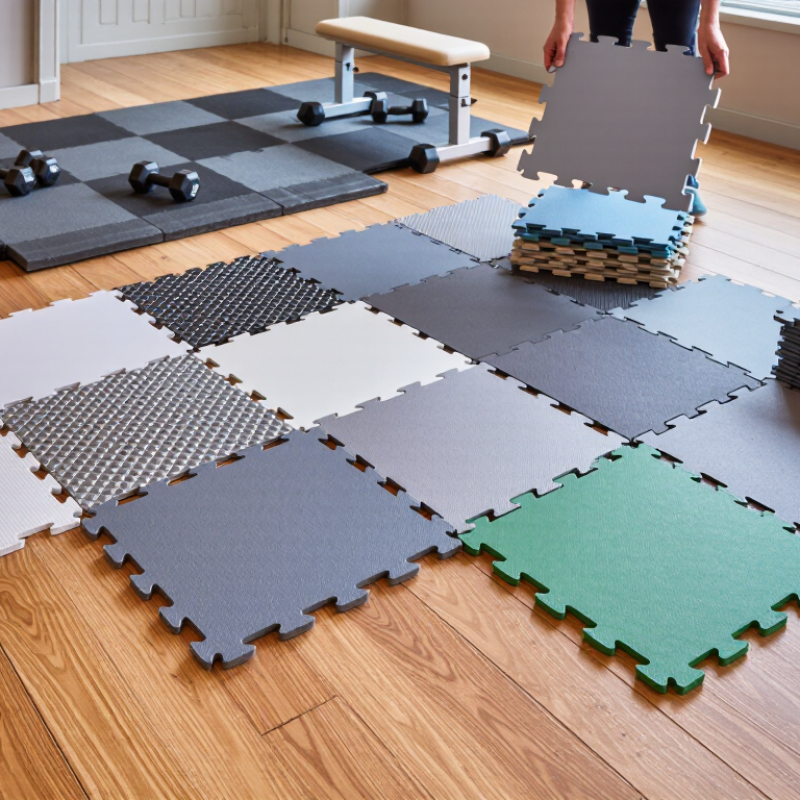
What Are the Top 10 EVA Puzzle Mats? This guide examines ten practical options for homes, gyms, playrooms, studios, and temporary exercise areas. EVA Puzzle Mats differ in density, thickness, texture, edge design, odor, water resistance, and long-term stability. A soft-looking surface may still compress quickly under a weight bench. A thicker tile may feel safer, yet create a noticeable height difference at doorways.

Materials specialist Dr. Laura Chen explains, “A useful EVA mat must match the user’s activity, surface, and cleaning habits.” That principle guides this comparison. We look beyond bright colors and low prices. Each product is considered through hands-on factors, including tile connection, surface grip, impact cushioning, portability, and maintenance. Small details matter. Loose edges can collect dust. Smooth finishes may become slippery with moisture. Strong chemical smells can also make a new mat unpleasant indoors.

No ranking is perfect. Room size, subfloor condition, body weight, and workout style can change the result. Some mats suit children but struggle under heavy equipment. Others protect concrete well but feel too firm for floor exercises. We also recognize a common weakness in product comparisons: advertised thickness does not always equal real comfort. Therefore, the following top ten list balances specifications with realistic use. It aims to help readers choose confidently, while leaving room for personal testing. A sample tile, measured doorway, and a few minutes of movement may reveal more than a polished product photograph.
What Are the Top 10 EVA Puzzle Mats?

What Are EVA Puzzle Mats and How Are They Used?

EVA puzzle mats are interlocking tiles made from ethylene-vinyl acetate, a lightweight closed-cell foam. Their textured surfaces create a softer layer between users and hard floors. The tiles connect through puzzle-shaped edges, so coverage can expand without tools. Common thicknesses range from 8 to 20 millimeters, although specifications vary. Thicker mats usually cushion better, but they may feel less stable under heavy equipment.

People use these mats in playrooms, home gyms, workshops, and temporary exercise areas. In a playroom, the foam can reduce discomfort from sitting or kneeling on tile. Under light fitness equipment, it helps define a training zone and limit minor floor scratches. The mat should sit on a clean, dry, level surface. Dust beneath one tile can create a noticeable bump. Check load guidance before placing heavy weights on it.

For routine care, sweep loose grit, wipe spills promptly, and use mild soap with diluted water. Avoid soaking the tiles, because trapped moisture can cause odors or deterioration. EVA foam is water-resistant, not waterproof in every installation. Direct sunlight may also cause fading or gradual warping. I would inspect edges and corners regularly, especially where children crawl or weights move. They are not perfect. Interlocking seams can separate during repeated lateral movement, and some tiles may curl after poor storage. That limitation is easy to overlook.

Which Materials and Designs Define High-Quality EVA Mats?

When comparing the top 10 EVA puzzle mats, material quality should guide the decision. High-quality EVA foam feels dense, resilient, and slightly springy underfoot. It should cushion knees without feeling unstable during movement. Closed-cell EVA resists water absorption and usually cleans easily after spills. However, not every “non-toxic” claim explains the testing behind it. Look for clear information about material composition, odor control, and independent safety testing.

Design details Design details also affect daily use. Interlocking edges should fit tightly, with minimal gaps between tiles. A loose puzzle connection becomes annoying under furniture or during exercise. Textured surfaces can improve grip, especially with socks, but deep patterns may collect dust. A thickness around 10 to 20 millimeters often balances comfort and stability. Softer mats feel pleasant at first. They may show dents faster, though. I have found that dark colors hide stains, but lighter shades make crumbs easier to notice.

Tips: Check each tile on a flat floor before installation. Press the corners and watch for curling. Wipe the surface with mild soap, then let it dry completely. Avoid harsh chemicals, direct heat, and heavy furniture with narrow legs. Measure the room twice, because puzzle mats rarely fit awkward spaces perfectly. A small gap may remain, and that is worth planning for.

How Do the Top 10 EVA Puzzle Mats Compare?

The ten leading EVA puzzle mats differ most in thickness, density, texture, and locking accuracy. A hands-on comparison starts with floor feel. Mats around 10–12 millimeters thick cushion knees better during crawling or floor exercises. Thinner options feel firmer and store more easily. Some surfaces resemble fine leather, while others feel slightly slippery in socks.

Interlocking quality separates the stronger mats from the frustrating ones. The best-fitting tiles join tightly, with minimal raised edges after repeated assembly. Several mid-range designs need careful alignment. Their seams can open when furniture moves across them. Dense EVA usually resists dents better, although it may feel less soft under bare feet. Softer foam feels comfortable, but chair legs can leave visible marks. That trade-off matters.

Cleaning results also vary. Closed-cell surfaces usually wipe clean with mild soap and a damp cloth. Deep textures can trap crumbs, pet hair, and moisture around the seams. Odor is another practical difference. A noticeable factory smell may fade after ventilation, but sensitive households should check the room before regular use. I would compare material disclosures, thickness measurements, edge shapes, and available safety test reports rather than trust promotional language. No mat performs perfectly. One sample developed a slight corner curl after storage, possibly from uneven packing. Temperature, subfloor condition, and daily use can change results, so a showroom impression is not enough.

What Are the Top 10 EVA Puzzle Mats?

How Do the Top 10 EVA Puzzle Mats Compare?

This comparison uses representative EVA puzzle-mat configurations commonly available in the market. Thickness indicates cushioning potential, while tile side length indicates the coverage provided by each individual tile. Thicker mats generally offer better impact absorption, whereas larger tiles can reduce the number of seams during installation.

The profiles are organized by commonly marketed specifications rather than by brand ranking. Actual performance may vary according to foam density, surface texture, interlocking design, and manufacturing quality.

What Safety, Comfort, and Maintenance Features Matter Most?

What Are the Top 10 EVA Puzzle Mats?

Safety starts with the surface, not the color. The U.S. Consumer Product Safety Commission’s 2022 toy-injury report estimated 145,500 emergency-department-treated injuries among children under 14. Falls remain a recurring hazard. Choose EVA puzzle mats with firm interlocking teeth, stable edges, and a textured underside. A mat that shifts under a jumping child has failed its main job. Check thickness, too. Around 10–20 mm can cushion light play and exercise, but thicker foam may feel unstable beneath heavy equipment. I once assumed softer always meant safer. That was wrong.

Comfort also depends on density and recovery. Low-density foam may feel pleasant today, then show deep footprints after repeated use. For home workouts, resilient EVA reduces pressure beneath knees, wrists, and bare feet. The World Health Organization’s 2022 Global Status Report on Physical Activity found that 31% of adults worldwide do not meet recommended activity levels. A more comfortable floor may remove one small excuse to move. Small matters.

Maintenance is less glamorous, but it decides whether the mat lasts. Closed-cell EVA resists routine moisture, yet seams still trap crumbs, sweat, and pet hair. Wipe panels with mild soap, rinse lightly, and dry them upright. Avoid harsh solvents. They can damage the surface or increase odor. Look for independent testing covering slip resistance, chemical emissions, and restricted substances. Certifications help, but they are not magic. Inspect corners monthly; replace warped pieces before a child trips.

How Can You Choose the Right EVA Puzzle Mat for Your Space?

Choosing among the top 10 EVA puzzle mats starts with the room, not the color. Measure the usable floor and subtract door swings, furniture, and wall gaps. For children’s play areas, 10–12 millimeters often cushions ordinary kneeling and crawling. Heavier exercise equipment may need denser foam, not simply a thicker tile. Feel the surface. A lightly textured finish helps prevent sliding when socks meet sweat or spilled water. Too much texture, however, can feel uncomfortable during stretching. Small details matter.

Check each tile’s interlocking teeth before buying a full set. They should join firmly without forcing the edges upward. I press a sample against the floor and walk across every seam; loose corners become annoying quickly. Look for clear material information, consistent thickness, and test documentation for emissions and impact performance.

“Non-toxic” alone is vague. Ask what was tested, by whom, and under which standard. A mild odor may fade after airing, but a strong smell is a reason to pause.

Your floor type also changes the choice. On smooth concrete, EVA can lie flat, while dusty or damp surfaces may cause movement and trapped moisture. Sweep and dry the area first. Leave a small expansion gap near warm walls or direct sunlight. I once ignored this and found curled edges after a hot afternoon.

That mistake taught me to inspect the room throughout the day, not only during installation. For a multi-use room, mark tile edges with removable tape before final assembly.

Article Source:

Ready to think outside the box? Let's get started!

Get in touch with a custom packaging specialist now for a free consultation and instant price quote.

blue colored shape
blue colored shape
blue colored wave shape